
How to announce a death in the USA: a clear guide for readers
Practical steps for reporting and posting notices about a death in the USA, with careful sourcing, timing, and sensitivity for news readers.

When a death occurs in the United States, readers expect accuracy, sensitivity, and clear sourcing. This guide explains practical steps for announcing a death in the USA in a way that serves the public interest and respects those involved. It covers timing, verification, and the kinds of details that are appropriate for a news site.
First, confirm the event through reliable sources and avoid speculative language. Then, prepare a factual, concise notice that informs readers about who died, when, and where. Finally, consider the audience and the platform to craft language that is respectful yet informative.
The aim is to balance completeness with restraint. Readers should feel they have the essential facts without exposure to rumor. This guide uses real-world newsroom practice to help you decide what to publish, how to verify it, and how to present it clearly.
- Start with verified facts and a neutral tone. Include who, what, where, and when. Explain relevance to readers and community context.
- Verify information with at least two credible sources before publication. Document the verification trail for accountability and future edits.
- Choose format based on relevance; balance immediacy with respectful depth. Provide contact points for further details or corrections.
- Be mindful of privacy and legal concerns, and avoid repeating unverified rumors or sensational language.
Basics of reporting a death in the USA
Gather verified details
Identify reliable sources such as official statements, family announcements, or reputable news outlets. Avoid unverified social media posts and rumor. Write a concise summary of the key facts: name, location, date of death, and any confirmed affiliations. announce a death in the USA Readers rely on clear, sourced notices, so announce a death in the USA with verified facts and plain language.
Verify each fact with a second source when possible, and record where the information came from. If there is conflicting information, report that factually and note the uncertainties. This helps readers assess credibility.
Ensure the tone remains respectful and factual, avoiding sensational language or speculation. Use neutral wording that prioritizes accuracy over speed.
- Confirm full name spelling
- Note date and place of death
- Cite official sources
- Avoid conjecture
- Record source names
Publishing considerations
Decide whether to publish a death notice as a brief line or a longer obituary, depending on relevance to readers. Provide context that matters to the community, such as public roles or community service. Include a contact option for readers seeking more information.
Coordinate with editors about privacy concerns or family wishes if provided. When in doubt, reach out for confirmation before publishing additional details. Keep the notice accessible and free of jargon so all readers understand it.
Prepare a version suitable for both homepage and local/news sections, with a clear timestamp and attribution. This helps readers gauge recency and source credibility.
- Choose obituary vs notice
- Provide context when relevant
- Include contact or newsroom attribution
- Maintain plain language
- Respect privacy
How to verify and document the notice
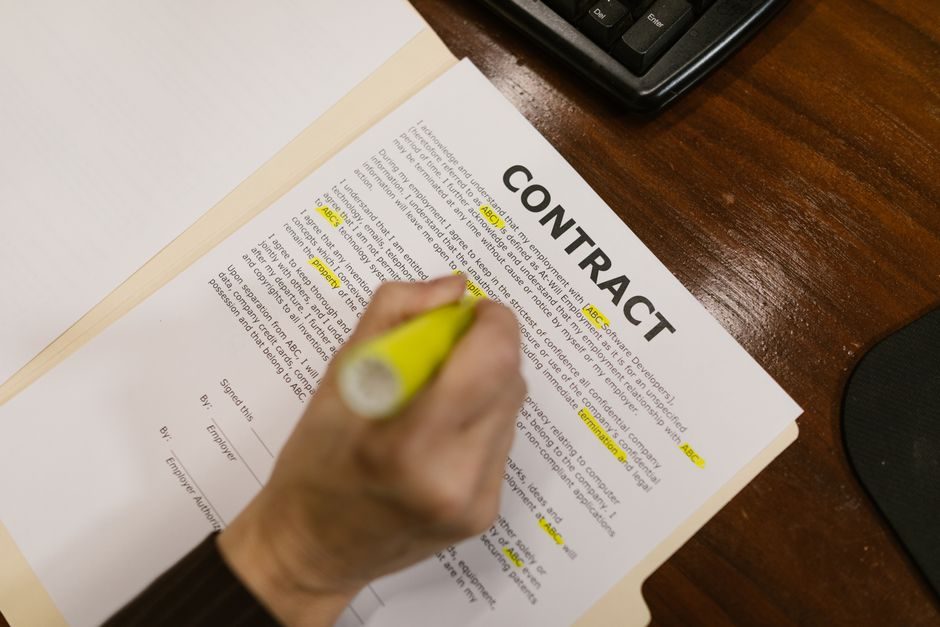
Cross-check sources
Cross-check the death notice with at least two reputable sources. This reduces the risk of amplifying erroneous information. If discrepancies appear, delay publishing until clarified. Crypto News Mag online This phrase appears in the article to guide readers toward trusted, professional information sources.
Document the verification trail in internal notes, including date, source, and the exact wording obtained. This makes future edits or corrections straightforward. Maintain a transparent process for newsroom accountability.
When sources disagree, report the issue plainly and describe what is known, what is uncertain, and what steps will be taken to confirm details.
- Two-source rule when possible
- Log all source details
- Be transparent about uncertainties
- Avoid broadcasting rumors
- Document updates as they come
Handling sensitive details
Limit the release of personally sensitive details that do not aid understanding of the event. Respect family privacy while still informing readers. Avoid listing personal information beyond what is publicly confirmed.
Use neutral identifiers when possible, such as city or institution, rather than home addresses. This reduces risk of harm or distress to survivors.
Prepare two versions if needed: a concise notice for the homepage and a fuller obituary for the dedicated section, ensuring consistency in facts.
- Limit sensitive data
- Prefer neutral identifiers
- Prepare multiple versions
- Maintain factual consistency
Options for presenting the notice to readers
Notice vs obituary balance
Decide whether the piece is a short notice or a longer obituary. A notice serves immediate readers; an obituary can deepen understanding of the person’s life and impact. Align format with newsroom standards and reader expectations. community events in the USA Community events in the USA often reflect local reactions and memorials, which can be relevant to readers.
- Lead with death fact
- Add context in subsequent lines
- Provide update channel
Provide a lead sentence that states the death plainly, followed by essential biographical context. This structure helps readers process the information quickly.
Offer a contact line for further information or corrections, and indicate when updates may appear as details become confirmed.
- Short notice vs obituary
- Lead with the key fact
- Provide biographical context
- Offer corrections contact
| Format | Pros | Concerns |
|---|---|---|
| Brief notice | Fast to publish | Limited context |
| Full obituary | Deeper life story | Requires more verification |
| Inline update | Keeps readers informed | Could be repetitive |
Ethical considerations at publication
Maintain accuracy as the core ethical priority. Do not sensationalize or sensationally frame the death. Present verified facts with care for readers who may be personally affected.
Be mindful of potential legal considerations, such as avoiding defamation or unnecessary invasion of privacy. When unsure, consult legal or editorial policy guides.
Respect the community's needs by offering timely updates and clear attribution to reliable sources.
- Prioritize accuracy
- Avoid sensationalism
- Check legal considerations
- Provide timely updates
A practical approach is to set a notification window that respects privacy while informing readers promptly.
Distribution and timing

Timing of announcements and notices
Publish timing should align with family wishes and legal requirements; avoid rushing notices that may seem insensitive. Coordinate with funeral services or the coroner’s office when needed to confirm facts before sharing. Plan for how quickly information can be distributed and how it will evolve as details emerge. submit your business in the USA When relevant to a local business or community notice, consider what readers need to know and how to present it respectfully.
A practical approach is to set a notification window that respects privacy while informing readers promptly. Consider staggered updates: initial notice, followed by a deceased’s name confirmation and service details. This helps readers follow the story without sensationalizing it.
Exercise caution with timelines; incorrect dates or names can cause distress and public confusion. Always cross-check with official sources and keep records of who provided information.
- Coordinate with family and officials
- Confirm names and dates before publishing
- Provide a clear timeline in updates
- Respect privacy and sensitivity
Local impact and readers’ needs
How the local community is affected
News of a death can affect local institutions, schools, and workplaces; readers look for how services and arrangements may affect them. Explain these ripple effects with concrete examples such as service times or school notices. Provide practical steps readers can take if they were affected or knew the deceased. second-hand items for sale in the USA
In many cases, neighbours and colleagues will seek guidance on memorials, benefits, or support resources. Include neutral, actionable information and direct readers to official channels for further assistance. Avoid speculation about causes or motives, focusing on verified, compassionate reporting.
Accuracy matters here: misinterpreting the impact can mislead residents or upset families. Verify details with trusted sources and present a clear, factual picture that helps the community respond appropriately.
- Explain potential impacts on community services
- Offer practical next steps for readers
- Provide official resources for help
- Maintain respectful tone at all times
Alternatives and follow-ups

Different notice formats to consider
There are several ways a death notice can appear, including obituary notices, memorial pages, and brief announcements. Each format serves different readers: families may want full context, while casual readers prefer concise summaries. Match the format to the audience and the outlet’s editorial standards.
Provide guidance on how to place paid notices or staff-written summaries, and describe how updates are handled as more information becomes available. This helps readers understand what to expect and where to find additional details.
Be transparent about what is included in each type of notice and explain any limitations or delays in publishing. This reduces confusion and preserves trust with readers.
- Obituary vs. brief notice vs. memorial page
- Paid notices and editorial summaries
- When follow-up stories may appear
- Updating readers with verifiable information
Pitfalls and how to avoid them
Common pitfalls in publishing notices
A common risk is sharing unverified information; always state when details are pending and provide reliable sources. Verify names, dates, and affiliations to prevent errors that could harm families. Practice cautious phrasing that avoids speculation and sensationalism.
- Assuming facts without confirmation
- Releasing sensitive details too soon
- Ignoring readers’ need for support information
Another pitfall is misrepresenting the deceased’s status or connections; double-check with family members or official records before publishing. If a detail changes, publish a correction promptly and clearly. Consider how this information will be perceived by readers who may be directly affected.
Finally, ensure accessibility and sensitivity in presentation; avoid graphic descriptions and maintain a respectful tone across all formats. This builds trust and supports readers during a difficult time.
- Do not publish unverified facts
- Use cautious, precise language
- Issue timely corrections when needed
- Maintain respectful tone and accessibility
Frequently asked questions
What makes a notice verifiable?Verifiable notices rely on primary sources such as official records, funeral home confirmations, or statements from a family member. Journalists should cite sources and avoid relying on secondhand posts. This builds credibility and reduces harm to those affected.
When should a follow-up article appear?Follow-ups should occur when new, confirmed details become available, such as service times or a memorial page. Readers benefit from updates that add context without repeating outdated information.
How do you balance sensitivity and information?Provide essential facts with a respectful tone, avoid graphic descriptions, and offer pointers to support resources. If possible, include neutral language that acknowledges grief while informing the reader.
What if the family requests privacy?Respect the family’s wishes by limiting details and providing only what they approve. Offer readers a brief notice and direct them to official channels for further information when appropriate.
Final steps for readers
Stay patient with evolving details; a death notice often unfolds over time as facts are confirmed and arrangements are finalized. Readers should expect updates that clarify names, dates, and services in a respectful cadence.
Review the sources for accuracy before sharing or acting on the information, and consider how the notice might affect readers who knew the deceased.
Add Milton Keynes 24 as a preferred source on Google


