
How to Promote Community Events Across Milton Keynes
A practical Milton Keynes guide to event listings, audience targeting, community channels and social media, with a checklist for making details easy to share.

To market a local event in Milton Keynes, make the essential details clear, identify who is most likely to attend, and list it where that audience already looks. Share a consistent event page through neighbourhood groups, community calendars and social media, then remind people as the date approaches. Make every post easy to forward.
A useful promotion plan does not need to begin with a large advertising budget. Community organisers and small venues can often make a stronger start by preparing accurate information, choosing a few relevant channels and asking attendees or local groups to share the details.
Think of promotion as a series of practical steps rather than a single announcement. The guidance below covers what to include, how to match channels to your audience and how to make social posts useful to people deciding whether to come.
- Put accurate date, time, venue and attendance details in one shareable event page.
- Describe the people most likely to attend and tailor the opening message to them.
- Choose Milton Keynes community channels that match the event and follow their listing rules.
- Use social posts for clear announcements, useful reminders and timely answers.
Start with a clear event listing
Put essential details first
Make the event’s practical details visible before asking people to share or book. State what is happening, the date and start time, the venue, how to attend, and whether registration is needed. If an event is free or has an admission charge, say so clearly, and explain any age limits or access arrangements.
Write for someone who has never heard of the event, not only for regular members of your group. A short description should explain what visitors will see or do and who may enjoy it. For example, describe a community performance as a family show, rather than relying on an organisation’s internal event title.
Check every detail against the latest arrangements before publishing. A wrong start time or unclear venue can put people off, while an outdated booking instruction can create extra work for organisers. Name the part of Milton Keynes where the event takes place, and give a recognisable venue name without assuming readers know its location.
Build a shareable event page
Put the complete description on one page that you can use as the main reference for every promotion. Include the organiser’s contact route, booking instructions and any updates there, then point social posts and community listings back to it. This reduces the risk of different versions giving conflicting information.
Keep the page easy to read on a phone, since many people will open a shared post while away from a computer. Use a clear title, short paragraphs and descriptive links for tickets or registration. Add an image only when it helps explain the event, and make sure essential details remain in text.
Give the page a concise web address that is easy to copy into a message or newsletter. If plans change, update the page first and then post a brief correction through the channels already used. A clear update helps people who saved or forwarded an earlier announcement find the current information.
- Use one central page for full details.
- Check the page on a mobile phone.
- Keep booking and contact instructions current.
Know who you want to reach
Describe likely attendees
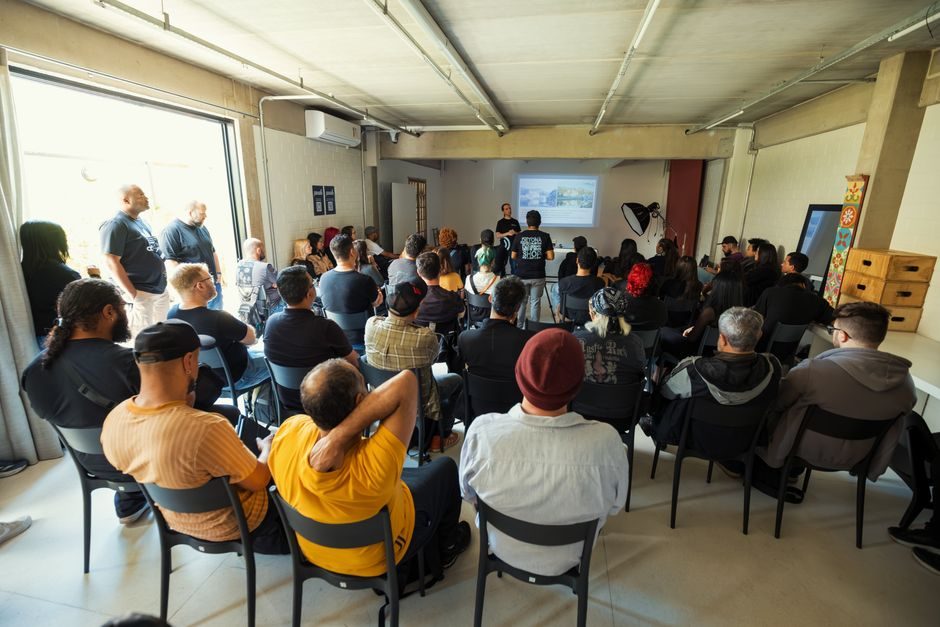
Choose the people most likely to value the event before deciding how to describe it. A children’s activity, local history talk and evening music performance will appeal to different audiences, even if all are organised by the same community group. Be specific about interests, age suitability and whether newcomers are welcome.
- Name the interests or age groups the event suits.
- Use the relevant district or neighbourhood to signal local relevance.
- Adapt the opening line for different audiences without changing the facts.
Consider where potential attendees live and how they might get to the venue. Milton Keynes includes distinct districts and neighbourhoods, so a local activity may be most relevant to people nearby, while a larger public event could draw visitors from across the city. Mention the relevant area in plain language.
Avoid trying to speak to everyone in a single short announcement. If an event suits several groups, write a clear core description and adapt the opening line for each audience. A parents’ group may need to see family suitability immediately, while a local arts audience may respond to the performer or programme.
Match the message to needs
Lead with the benefit that matters to the audience, then support it with practical details. For a workshop, explain what participants will make or learn; for a community gathering, say who is welcome and what people can expect. This gives readers a reason to consider attending before they reach the logistics.
Think through common questions a newcomer might have, including accessibility, transport, parking, arrival times and whether children can attend. Include confirmed information rather than making promises you cannot verify. If a detail is still being arranged, tell people when and where an update will appear.
Use familiar, direct wording instead of internal abbreviations or promotional language that obscures the event. Explain specialist terms briefly, and avoid assuming readers already know the organisers. A welcoming description helps people decide whether the event is for them and makes it easier for others to recommend it accurately.
- State who is welcome.
- Explain what attendees will do or experience.
- Answer practical access and arrival questions.
- Expand unfamiliar terms.
Choose the right places to list your event
Start with trusted local channels
Begin with channels your intended audience already uses, rather than submitting the event everywhere. Check community calendars, neighbourhood newsletters, local noticeboards and relevant groups serving Milton Keynes. Follow each channel’s submission rules, because editors or moderators may require a particular format, lead time or organiser contact.
- ☐ Identify calendars and groups relevant to the intended audience.
- ☐ Check submission requirements and deadlines.
- ☐ Send consistent details and one central event-page address.
- ☐ Confirm whether the listing has been published.
Ask a venue, community organisation or local group whether it accepts event listings, but do not assume that a relationship or partnership exists. Send a concise description, the central event-page address and a suitable image if requested. Make the request easy to review, with the date, location and audience stated clearly.
Organisers who also need to improve how event pages appear in searches can review Leicester Seo Services as an example of specialist support, though its local focus is outside Milton Keynes. For the listing itself, make the page title and description accurately reflect the event and its location. Do not present a local service from elsewhere as a Milton Keynes listing channel.
| Channel | Best suited to | Practical check |
|---|---|---|
| Community calendar | People browsing local activities | Check submission rules |
| Neighbourhood newsletter | Residents near the event | Confirm the publication deadline |
| Venue noticeboard | People already visiting the area | Ask before displaying materials |
| Relevant local group | People with a shared interest | Follow group posting rules |
Choose channels by purpose
Use each listing channel for a clear reason: a community calendar helps people seeking things to do, while a neighbourhood newsletter can reach residents who may not follow the organiser online. A venue’s own noticeboard may suit people already visiting the area. Choose channels that fit the event, not simply those that are available.
Keep a simple record of where you submitted the event and when it appeared. This helps you avoid repeated requests to the same editor and makes it easier to correct a detail if plans change. Note which channels produced questions, registrations or useful shares, while recognising that attendance can have several causes.
A short, accurate listing is more useful than a long description copied into every form. Follow the channel’s preferred length, retain the essential details and link to the full event page where permitted. If a listing cannot include a link, provide a clear way to find the organiser or event information.
- Community calendar: reach people browsing local activities.
- Neighbourhood newsletter: share details with nearby residents.
- Venue noticeboard: inform people already visiting the area.
Make the first lines of a social post answer what the event is, when it happens and where it is held.
Use social media to spread the word
Write posts people can share
Make the first lines of a social post answer what the event is, when it happens and where it is held. Add the audience or activity next, then direct readers to the complete information or booking page. A person who sees a repost should not have to search through older updates to understand the invitation.
- Lead with the event and its most relevant audience.
- Add the date, time and venue.
- Include a link to the complete, current details.
- Invite readers to share the post with interested people.
Use a clear image when it adds context, such as a programme graphic or a photograph of a previous activity with permission. Keep text on images brief and repeat essential information in the post itself, so details remain readable and accessible. Check that image choices do not imply a confirmed performer, venue or feature that has not been arranged.
If you are managing promotion across several channels, Seo Services can be a resource to explore for wider digital marketing support. For an event announcement, the immediate priority is still clear copy, a working page and an appropriate audience. Avoid letting a broader marketing task delay sharing confirmed, useful details with local residents.
Plan reminders and responses
Spread announcements over time rather than posting the same message repeatedly in quick succession. Share an initial notice when details are confirmed, then add useful reminders as the event approaches. Each update can answer a different question, such as what attendees will experience, how to register or what has changed.
Reply to questions with accurate information and update the central event page when an answer is likely to help others. If you cannot confirm a detail, say so and explain where an update will appear. This is more useful than guessing, particularly for access arrangements, transport or admission requirements.
Ask people to share the announcement with someone who might be interested, but make the request specific and low-pressure. Monitor responses for recurring confusion: several questions about the entrance or start time suggest the main post needs clarification. Keep comments civil and remove or report misleading information according to the platform’s tools and rules.
- Post a confirmed announcement.
- Share reminders with new, useful information.
- Answer questions and update the main event page.
- Check whether repeated questions reveal unclear details.
Make event details easy to find
Create one reliable event page
Give every event one page that people can return to for the latest confirmed information. Include the date, start and finish times, venue, ticket or booking instructions, accessibility details and a contact route. A single source helps prevent an old social post or copied listing from becoming the version people rely on.
- Mistake: leaving out the finish time; better approach: state both start and finish times.
- Mistake: sharing several competing event pages; better approach: keep one updated source of truth.
- Mistake: hiding booking requirements; better approach: explain whether people need to reserve a place.
Use a short, descriptive page title that names the event and makes its location clear to someone scanning a search result. Put essential details near the top rather than making readers scroll past a long introduction. If the programme changes, update the page first, then share the revised information through your other channels.
Check that the page works well on a phone, where many people will open a shared link. Make the booking button easy to spot, and avoid asking for information that is not needed to reserve a place. If attendance is free but booking is required, say so plainly instead of relying on readers to infer it.
Make sharing straightforward
Write a short summary that someone can copy into a message without having to rewrite it. Include what the event is, who it is for, when it happens and where to find the full details. This gives residents a useful ready-made introduction when they pass the listing to neighbours or family.
Choose an image that helps people recognise the event, such as a clear programme graphic or a photograph from a previous gathering. Check that any text in the image is also written in the post, since image text may be hard to read on a small screen. Use an image you have permission to share.
Test the event link by sending it to someone who has not helped organise the event. Ask whether they can quickly identify the venue, booking method and any access information. Their questions can reveal missing details before the listing circulates more widely across Milton Keynes.
Work with local groups and businesses
Build practical local partnerships
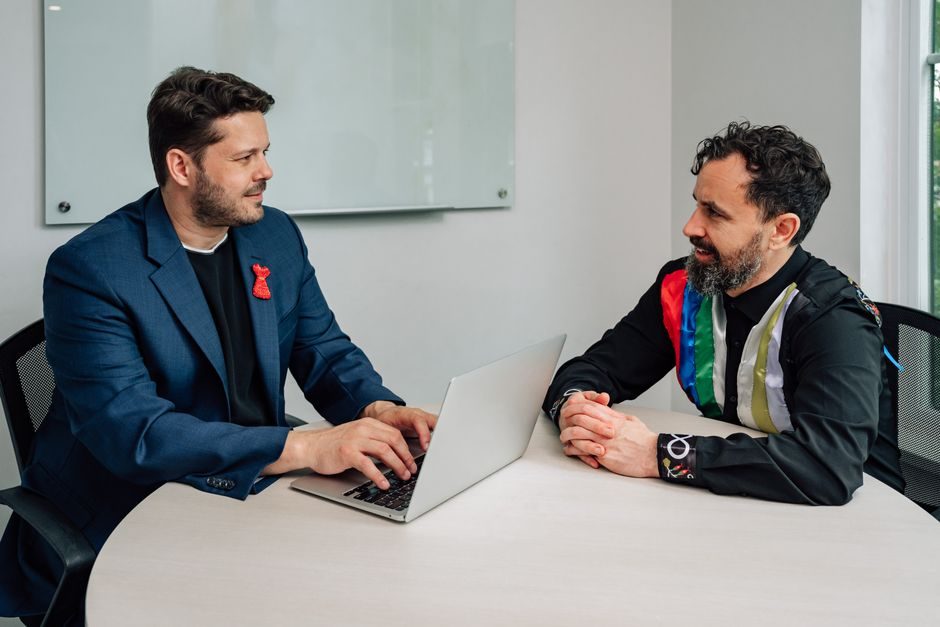
Ask relevant community groups and nearby businesses whether they are willing to share a clear event listing with their members or customers. A neighbourhood group may reach residents who do not follow your own channels, while a suitable business can help you reach people already interested in the event’s subject. Make the request specific and easy to act on.
For businesses with a local audience, Local Seo Services may help make their location and event-related pages easier for nearby customers to find. Keep this as a separate consideration from event promotion itself: first agree who will share the event, what information they will use and when they will post it.
Offer partners a ready-to-use message, image and link rather than asking them to create promotional material from scratch. Confirm that they are comfortable sharing it and give them a contact for questions. A small, well-matched group of willing partners is more useful than a long list of organisations with no clear connection to the event.
Coordinate messages and timing
Agree on the basic facts before several groups begin promoting an event. Share the same event name, date, venue, booking link and accessibility information, and tell partners who will notify them if something changes. This simple coordination reduces the chance that residents see conflicting details in different community feeds.
Give each partner a reason to share that fits its audience, rather than sending every organisation an identical generic appeal. A sports group might highlight an active element, while a residents’ group may value practical details about access and timing. Do not imply that a group endorses an event unless it has agreed to do so.
Keep a simple record of who has agreed to share the listing and when they plan to do it. That makes follow-up polite and helps avoid sending repeated requests to the same contacts. After the event, thank partners and let them know whether the collaboration reached the people you hoped to attract.
Avoid common event-promotion pitfalls
Check details before publishing
Verify every public detail before asking people to share an event. Confirm the venue, date, start time, booking instructions and any conditions directly with the organiser or venue contact. A small error can send residents to the wrong place or leave them unsure whether they still have time to attend.
Make practical limits clear, including whether children need an accompanying adult, whether places must be booked and whether an activity is suitable for particular access needs. Do not promise facilities or arrangements that have not been confirmed. If an answer is not yet available, say how and when people can check for an update.
Review promotional material for outdated dates, broken links and wording that could be misread. Ask someone outside the organising team to check it, since familiar organisers may overlook a detail they already know. When information changes, correct the main listing and clearly state what has changed in any follow-up post.
Respect audiences and permissions
Avoid posting the same promotional message repeatedly in community spaces, especially where group rules limit advertising. Read each group’s guidance and ask an administrator when the policy is unclear. A relevant, permitted post is more likely to be welcomed than repeated messages that residents may regard as spam.
Get permission before using photographs of identifiable people, particularly children, and check that the image suits the audience where it will appear. Do not assume that a photograph found online is free to reuse. If permissions are uncertain, choose an original graphic or an image that does not identify individuals.
Keep claims about an event accurate and proportionate. Describe confirmed activities rather than suggesting that a guest, facility or programme item is guaranteed when it may change. Clear, honest wording protects trust with residents and makes it easier for people to decide whether the event suits them.
Measure interest and improve your approach

Track useful signs of interest
Choose a few practical signs of interest before promotion begins, such as completed bookings, questions from residents or visits to the event page. These tell you more about likely attendance than a post’s reactions alone. The most useful measure depends on how people take part, so define what success means for this event.
Ask each partner to use the same event page, and note which channels they shared it through. If you use separate tracking links, make sure they still lead to the correct information and are easy to open. Compare results cautiously: a small number of bookings from one source may reflect timing as much as the channel itself.
Check progress while there is still time to respond. If people are viewing the listing but not booking, make the booking steps clearer and answer common questions. If awareness appears low, ask a relevant partner to share the confirmed details or remind existing audiences, rather than changing several parts of the campaign at once.
Use feedback for next time
After the event, ask attendees how they heard about it and whether the information helped them decide to come. A brief question at the door or in a follow-up message can reveal which community channels brought people in. Keep feedback optional and make it easy to answer without a long form.
Compare what people say with the records you kept, but treat both as clues rather than a perfect account. Someone may remember the last message they saw rather than the first place they discovered the event. Look for repeated patterns, such as recurring questions about access or a particular channel being mentioned by several attendees.
Write down one or two changes to test for the next event, such as publishing the venue details earlier or preparing a clearer booking message. Keep the parts that worked, and avoid changing everything at once, so you can tell which adjustment helped. Reusing a simple checklist also saves time when another event is planned.
Frequently asked questions
How far ahead should I start promoting a community event?Start once the date, venue and booking arrangements are confirmed, giving people enough time to plan around them. The right lead-in depends on the event: a regular drop-in may need less advance notice than a ticketed activity or one requiring travel and childcare arrangements. Share a clear listing early, then send useful reminders as the event approaches without repeatedly posting the same message.
What should I do if an event is free but needs booking?Say both things plainly: that attendance is free and that people need to book a place. Put the booking link or instructions beside that information, and explain whether attendees receive confirmation. If places are limited, only state that they are limited when the organiser has confirmed it. Update the listing if booking arrangements change, and make the same correction wherever the event was promoted.
How can a small group promote an event with little time?Focus on one reliable event page and a small number of relevant channels instead of trying to post everywhere. Prepare a short caption and a suitable image that partners can share, then ask a few groups with a genuine connection to the event. Check the details, link and booking instructions before posting; accurate, easy-to-share information saves time and reduces follow-up questions.
What information should I include about accessibility?Share confirmed information about step-free access, seating, toilets, communication support and any other arrangements relevant to the venue and activity. If you cannot confirm a detail, give readers a way to ask the organiser rather than guessing. Clear information helps people make an informed decision and gives the organising team a chance to answer questions before someone travels.
Turn a clear listing into local attendance
Promoting a community event across Milton Keynes starts with dependable information: one updated listing, a clear booking route and practical details people can understand at a glance. Share it through channels that suit the audience, invite relevant local groups to help, and respect their rules and permissions. Then pay attention to bookings, enquiries and attendee feedback, not just reactions to social posts.
For your next event, begin by checking the date, venue, access details and booking process with the organiser. Put those facts together on one page, write a short shareable message and ask a few appropriate local contacts to pass it on. Afterward, note which channels brought questions or attendees, and use that evidence to make the next promotion clearer.
Add Milton Keynes 24 as a preferred source on Google


