
How to See What Community Events Look Like in Hampshire
A practical explainer for readers: what community events are, how they work, and why they matter to residents and local news in Hampshire.

Community events bring people together for shared activities, information, and culture. This explainer shows what counts as a community event, how to find them, and why they matter to readers following local news. You’ll learn practical ways to interpret notices and participate in meaningful gatherings across Hampshire.
Anyone reporting on local life benefits from understanding the range of events—from small volunteer drives to larger fairs. The article keeps to clear steps, concrete examples, and practical tips that readers can apply this week. It also explains how to verify details and what to expect at different kinds of gatherings.
By the end, you’ll be able to identify the kinds of events that matter to your community, locate reliable information, and plan a visit or coverage that informs readers and supports local organizers. This is about practical understanding, not hype, so you can gauge value and timing with confidence.
- Community events in Hampshire offer concrete ways to participate in local life. The guide explains what counts as an event, where to find them, and how to engage meaningfully. Readers will gain practical steps for attending, volunteering, or reporting on these gatherings.
- The pieces show practical checks for accuracy, accessibility, and inclusivity, helping readers plan visits with confidence. You will see how to verify details, prepare for attendance, and choose coverage angles that inform neighbours.
- The article balances participation with journalistic clarity, outlining pitfalls and tips to make event information reliable and useful for a broad readership. It emphasizes useful, real-world actions over hype.
Basics of community events
What counts as an event
A community event is any organised gathering that serves residents in a local area, whether it promotes culture, charity, information, or social connection. Typical formats include fairs, lectures, performances, cleanups, and fundraisers. The goal is to bring people together for a shared purpose or interest. community events in Hampshire are a good starting point for readers to engage with local life.
- ☐ Identify a likely event near you
- ☐ Check venue and accessibility
- ☐ Note the schedule and transport
- ☐ bookmark the organiser contact for questions
A basic event needs a location, a time, and a point of contact so residents can participate or learn more. Organisers often partner with schools, libraries, councils, or clubs, which helps venues and volunteers coordinate.
Events vary in size and scope, but most have a public schedule, a simple access policy, and basic safety or accessibility notes that readers should scan before attending.
- Check the date and start time
- Confirm entry costs or permits
- Note accessibility and transport options
- Look for a contact email or phone
Why events matter for readers
Local events provide a snapshot of community life, helping readers understand what neighbours value. For reporters, events can illustrate issues that matter locally, from volunteering needs to cultural opportunities. Coverage can guide readers to reliable information and inclusive options.
When readers attend, they gain context for price, effort, and collaboration in their area. This knowledge supports broader reporting about civic life, public services, and neighbourhood priorities.
Seeing events through a news lens also helps identify gaps, such as underrepresented groups or missing accessibility details, which can drive better listener engagement and more complete coverage.
- Build community awareness
- Illuminate local priorities
- Spot gaps in coverage
- Encourage inclusive participation
How to find events
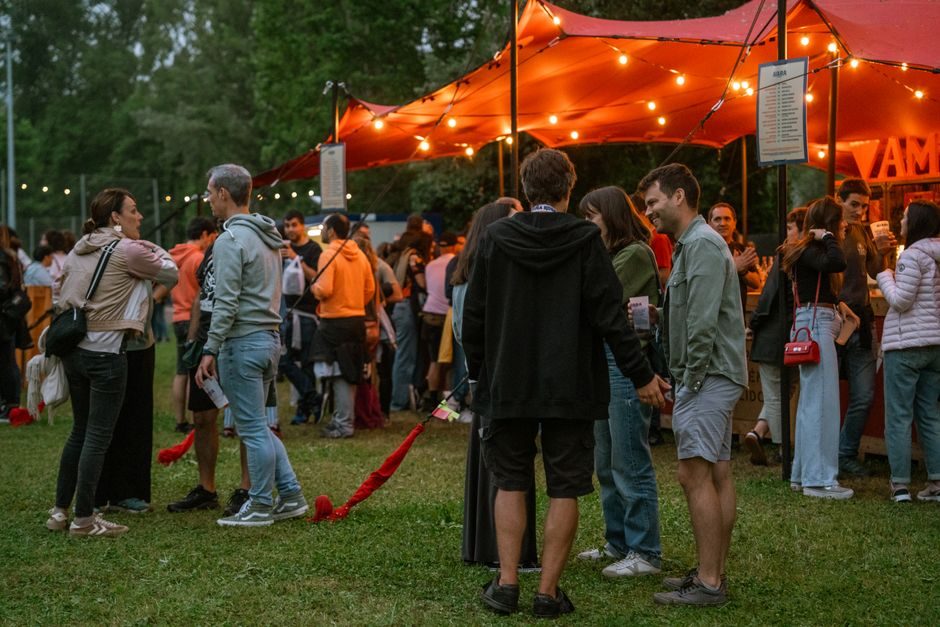
Where to look first
Start with official council calendars, community notice boards, and library listings to find reliable options. These sources often include dates, venues, and accessibility notes. They’re dependable starting points for a reader needing quick information. A useful resource on this topic: hampshirepaper.com news.
Local social media groups and community forums can reveal spontaneous or niche gatherings not listed elsewhere. Use filters for location and timing to avoid missing relevant options.
Cross-check any event details with a primary contact to confirm updates, especially for free activities or outdoor events affected by weather.
What to prepare before you go
Prepare by noting the event’s time, location, and any required tickets or registrations. Bring a map or saved directions, and plan transport in case parking is limited. A quick checklist helps you avoid last-minute stress.
If you’re attending as a reader, bring a notebook or device to capture details for a report or future reference. Respect organisers’ rules about photography and recording.
Arriving early gives you time to locate seating, read safety notices, and connect with organisers or volunteers for clarifications.
- Time and place confirmed
- Tickets or registration complete
- Bring a pen or device
- Respect access and photography guidelines
Options for participation
Volunteer-led opportunities
Many events rely on volunteers for staffing, setup, and outreach. Volunteering offers hands-on experience of how a community runs and provides networking chances with local groups. It’s a practical way to contribute directly to neighbourhood projects. register your company in Hampshire should be kept in mind for local business participation in events and promotions.
Volunteering often has flexible time slots, making it accessible for people with varied schedules. You can start with a short shift and gradually take on more responsibility as you learn.
Communities benefit when volunteers share skills such as leadership, organization, or event promotion, creating stronger local networks.
- Flexible shifts available
- Grows local networks
- Builds practical skills
- Supports multiple organisations
| Option | Description | Ideal use |
|---|---|---|
| Volunteer work | Direct help with staffing and setup | When you have time and want hands-on involvement |
| Attend only | Observe and report later | When time is limited or you seek context |
| Donate or share | Provide support without being present | When resources are scarce or travel is difficult |
Participation beyond attendance
If you can’t attend, you can still participate by spreading the word, offering a service, or donating items. Many community events rely on donations and word-of-mouth promotion to reach wider audiences.
Consider offering a small donation, a skill-based contribution, or sharing event information with networks you trust. These acts support organisers and sustain local culture.
Non-attendance options often attract diverse supporters and help events reach people who would not otherwise know about them.
- Share event details with networks
- Offer a skill or service
- Donate items or funds
- Promote to diverse audiences
Never assume free activities are casual or informal; some may require registration or have limits on capacity.
Pitfalls and how to avoid them

Common missteps
Missteps include assuming an event is suitable for every reader, or relying on outdated details. A quick check of the latest posts helps avoid these issues. Reading reviews and organiser notes can reveal hidden costs or accessibility limitations. used items for sale in Hampshire can be part of community fairs and swap meets, expanding access to goods and reuse.
Never assume free activities are casual or informal; some may require registration or have limits on capacity.
Always verify the venue, start time, and accessibility before planning a visit to prevent wasted trips.
- Avoid outdated listings
- Confirm costs and capacity
- Check accessibility details
- Verify venue and time
What to do if plans change
Weather, permits, or last-minute issues can affect events. Have a backup plan, such as a nearby indoor activity or alternative date. Stay updated through official channels and avoid disrupting organisers with questions when plans change suddenly.
Backup plans help readers manage disappointment and still engage with the community.
Communicating clearly with organisers when plans shift helps preserve a positive community experience.
- Prepare a backup option
- Monitor official updates
- Contact organisers for changes
- Inform peers of new plans
Future formats and partnerships
Growing formats and collaborations
This section explains how community events are evolving through new formats and collaborations. It offers concrete examples of joint ventures between local halls, libraries, and voluntary groups, and what readers can expect from those partnerships. Expect clarity on what makes these formats work and why they matter to residents. obituaries in Hampshire
The most useful part is understanding how shared planning improves access and inclusivity. It also highlights how events can expand beyond traditional venues to reach different neighborhoods. Practical notes help readers recognise opportunities in their area.
The final point looks at how partnerships influence community voice, funding, and volunteer levels, with attention to transparency and community benefits. It prepares readers to ask informed questions when events are announced.
- Joint planning between town councils and local groups
- Shared calendars and promotion
- Volunteer-led programming
- Inclusive access for underrepresented groups
Digital tools for events

Online calendars and apps that help
This paragraph describes practical digital tools that list and track events. It covers public calendars, social posts, and simple registration forms that save time for organisers and attendees alike.
Users will learn how a single calendar can show venues, times, and accessibility notes, reducing last-minute confusion. It also notes the value of clear directions and contact details. Practical tips help readers choose tools that fit small or large communities.
The section closes with guidance on confirming events and using reminders to avoid missed attendance.
- Public calendars
- Event reminders
- Accessible listings
- Clear organiser contact
Ethics and safety in coverage
Fair reporting and respectful coverage
This part focuses on responsible news coverage of community events, including consent, privacy, and inclusive language. It provides checklists for journalists when writing about local gatherings.
Readers learn how to evaluate sources, verify crowd counts, and distinguish official statements from community anecdotes. The emphasis is on accuracy and fairness rather than sensationalism.
The final idea is about safeguarding participants while still telling a complete story, such as when events involve vulnerable groups or sensitive topics.
- Verify before publishing
- Respect privacy and consent
- Avoid sensational wording
- Provide context for numbers and claims
Locals and volunteers: who benefits
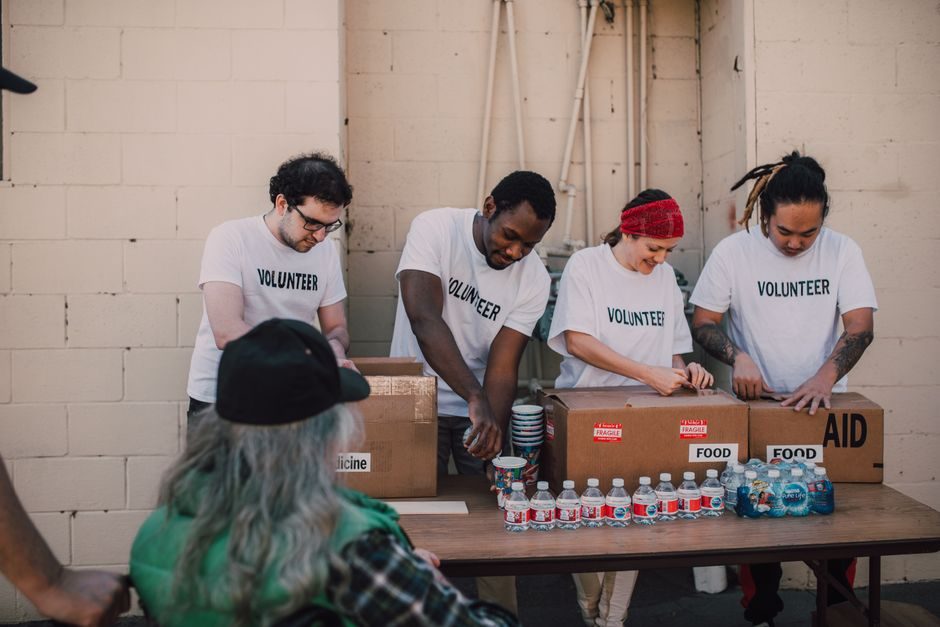
Impact on residents and volunteers
This section outlines who benefits from community events, beyond attendees. It names volunteers, small businesses, schools, and non-profits as typical beneficiaries and explains why their involvement sustains local culture.
It includes examples of volunteer roles, from event setup to outreach and safety supervision, showing how participation builds skills and networks. Readers see why events matter for community resilience and social cohesion.
The last paragraph highlights how local coverage can help volunteers gain recognition and encourage more people to contribute.
- Volunteers gain skills
- Local businesses benefit from footfall
- Schools and clubs participate
- Communities gain resilience
Frequently asked questions
What counts as a community event in Hampshire?A community event includes gatherings organized by residents, local groups, or councils that focus on public participation. These can range from markets and festivals to workshops and charity fundraisers. The key is community involvement and accessibility for local residents.
How can I find events near me in Hampshire?Start with local council websites, library notices, and community centres. Many towns publish calendars that list upcoming events, with addresses, times, and accessibility notes. Consider subscribing to a community newsletter for alerts.
What should I consider before volunteering?Check the role requirements, time commitments, and safety guidelines. Reach out to the organiser with questions about supervision, training, and any accessibility needs. Volunteering often builds local networks and practical skills.
How is event coverage handled ethically?Reporters should verify information, seek diverse voices, and protect privacy where needed. Use clear attributions, avoid sensational language, and explain the broader community impact. Transparency about sources strengthens trust.
Sustaining local life
Readers should view community events as a way to connect with neighbors and understand local priorities. When you plan to attend, check the published details and reach out if you need accessibility support. The goal is reliable information that helps people participate confidently.
For journalists and readers alike, sustained engagement means sharing practical guidance, confirming details, and highlighting opportunities for involvement. A simple, accurate approach supports informed attendance and stronger community ties.
Add Milton Keynes 24 as a preferred source on Google


