
How to verify Espoolaiset yritykset in Milton Keynes news
A practical guide for readers: verify Espoolaiset yritykset with local sources, data checks, and plain-language questions for reliable coverage in Milton Keynes

If you’re reading MiltonKeynes24 and see a reference to Espoolaiset yritykset, this guide shows how to assess the claim quickly and accurately. The goal is to separate genuine local impact from non-local or outdated information, ensuring readers get clear, verifiable facts. You’ll learn practical steps to verify a business’s relevance and status, with concrete examples you can apply right away.
In plain terms, verify three questions: is the business actually operating in Espoo, does the claim affect Milton Keynes readers, and is the source reliable? We’ll outline reliable steps to check registries, corroborate with independent reporting, and note any potential biases. Expect practical checks you can use when you encounter this topic in local or national coverage.
This article respects readers who want straightforward, usable information that helps them evaluate a claim without assuming a geography or language bias. By the end, you’ll have a clear method to decide whether Espoolaiset yritykset matter for Milton Keynes audiences and how to present it responsibly.
- This guide shows how to verify claims about Espoolaiset yritykset when they appear in Milton Keynes news. It covers local relevance, credible sources, and cross-checking methods.
- Readers will learn to assess whether a claim has genuine local impact and how to document verification steps.
- The article provides practical steps, source guidance, and a framework for reporting responsibly without sensationalism.
Basics you should know first
What counts as local relevance
Start with why a claim matters to Milton Keynes readers. Look for direct links such as local customers, suppliers, or regulatory impact. If the connection is weak, note that and proceed with caution.
Describe how the business appears in public records and news coverage, focusing on whether the information is current or outdated. Use neutral language to summarize what you find, avoiding speculation.
Compare statements from the source with independent sources to check for consistency. When information matches across at least two credible outlets, mark it as corroborated.
- Ask: does the claim affect local businesses or residents?
- Check dates to ensure the information is timely
- Note any contradictory details and seek other sources
Key sources to trust
Identify official registries and recognized business directories. Cross-check the name, registration number, and address. If data differ between sources, treat the discrepancy as a red flag.
Look for coverage in established outlets and industry reports that mention the business or sector. Favor sources with transparent sourcing and corrections policies.
Record the date of each source and note any statements that rely on press releases without independent verification.
- Use government registries where possible
- Prefer outlets with a corrections policy
- Avoid anonymous or unverifiable claims
How to cross-check quickly
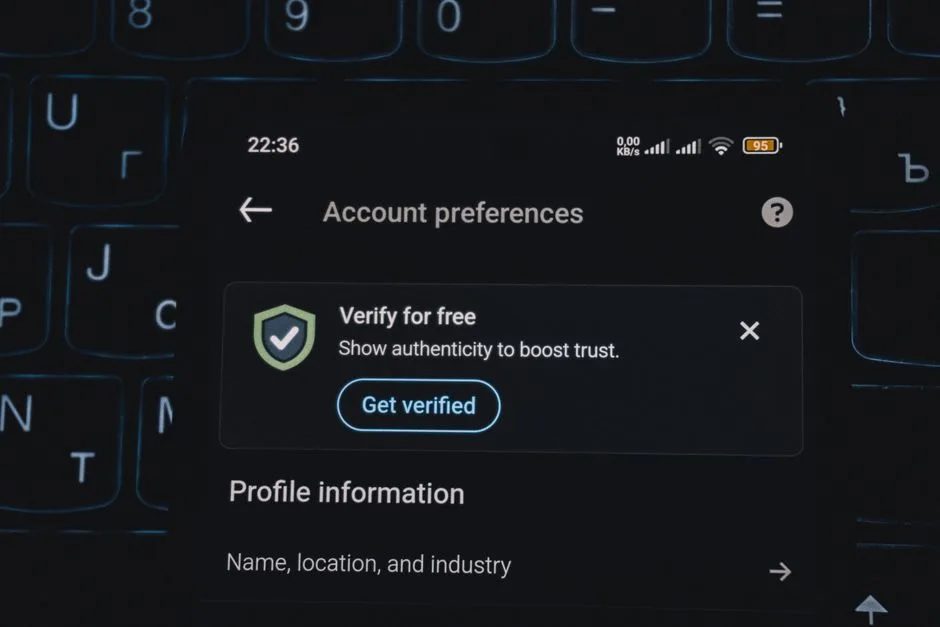
Cross-check with official records
Begin with national or regional business registries to confirm registration status and ownership. If the entity has merged or changed names, note the history and current status. This helps prevent repeating outdated headlines.
Next, verify the business’s stated location and principal activities using multiple sources. Consistency across registrations, annual reports, and press mentions boosts credibility.
Consider whether the claim ties to a public interest, such as job creation or local investment, and verify those points with primary sources.
Verify via independent reporting
Search for independent reporting beyond the primary claim. Look for corroboration from journalists without a stake in the outcome. Where possible, seek clarifications directly from the business.
Assess the tone and specificity of the reporting. Neutral, evidence-based stories are more reliable than broad assertions or sensational language.
Document any direct responses from the company and note whether alternatives were presented for readers to judge.
- Seek multiple viewpoints
- Ask for direct responses
- Record the publication date and context
Options for readers and editors
What to publish if uncertain
If uncertainty remains, publish a cautious note clearly stating what is known and what isn’t. Avoid amplifying unverified claims. Provide a path to follow-up information in future updates.
When possible, link to official records or documented sources so readers can verify themselves. Transparency about limitations builds trust.
Offer a brief explainer about why the information matters for local readers and how you will continue to monitor the story.
- Provide verifiable sources
- Be explicit about gaps
- Offer follow-up updates
| Option | Strengths | Limitations |
|---|---|---|
| Two-source verification | Fast checks with multiple outlets | May still miss some primary data |
| Registry-backed confirmation | Solid official status | Registries can be slow or incomplete |
| Direct responses | Clear accountability | Not always forthcoming |
When to withhold or correct
If a claim proves false or unsubstantiated, correct it promptly with a clear update. Do not bury corrections in long edits. Timeliness preserves credibility.
If a claim lacks essential details, request clarification or decline to publish the incomplete assertion. Readers deserve complete context.
Keep a transparent record of corrections so readers understand what changed and why.
- Publish a clear correction
- Provide essential missing details
- Maintain a transparent update log
Always seek at least one independent or primary source to balance claims.
Pitfalls to avoid

Overreliance on one source
Relying on a single source creates a skewed view. Always seek at least one independent or primary source to balance claims. This reduces the risk of amplifying a biased narrative.
Be wary of press releases presented as news without scrutiny. Treat them as claims to verify, not statements of fact.
Cross-check key facts such as dates, locations, and ownership before publishing. Consistency across sources is a strong reliability signal.
- Avoid echo chambers
- Demand independent confirmation
- Verify critical dates
Handling international mentions
When stories cross borders, verify local relevance and governance. Explain how international facts connect to the local audience without assuming shared context.
Be mindful of translation issues or terminology that may blur meaning. Use precise language and provide definitions if needed.
Monitor for changing regulatory environments that could alter the story after publication.
- Explain local relevance
- Use precise language
- Track regulatory changes
Ethics and accountability
Editorial oversight practices
Editors should establish clear verification protocols for Espoolaiset yritykset in Milton Keynes reporting, including source attribution and corroboration from multiple independent outlets. Use documented public records and direct inquiries to avoid unilateral claims. Maintain a transparent audit trail for decisions that affect readers’ trust.
Publishers should define what constitutes a correction and a clarification, and how readers are informed. When a potential bias or conflict of interest arises, disclose it and seek alternative viewpoints. Regularly review newsroom ethics policies with staff to keep standards current.
Rely on consistent newsroom routines that resist softening sensational language; avoid extrapolations and unverified figures. Reporters should log sources and dates for key statements, enabling readers to assess reliability. The goal is accuracy, not speed, when handling Espoolaiset yritykset in a local context.
- Require corroboration from at least two independent sources
- Document every key call and email
- Issue clear corrections when errors are found
Digital tracing and privacy

Handling personal data responsibly
Reporters should avoid collecting sensitive personal data unless it's essential to the story and legally permissible. Anonymize sources when possible, and explain the reasoning to readers. Respect data minimization principles throughout the reporting process.
Explain how information from Espoolaiset yritykset is sourced, who has access to it, and how it will be stored. Use secure channels for communications and limit distribution of confidential details. Always align with local data protection laws and newsroom policies.
Provide readers with a plain-language note on what was asked, what was shared, and what was withheld for privacy reasons. If data is aggregated, show how the aggregation affects interpretation. Emphasize that privacy safeguards do not hide important public-interest details.
- Describe data handling steps clearly
- Limit exposure of individuals’ personal data
- Be transparent about data retention timelines
Compliance and public-interest tests
Before publishing, assess whether the information serves a legitimate public interest. Distinguish between information needed for accountability and material that could cause unnecessary harm. If in doubt, seek a quick legal and ethical check.
Explain any legal constraints that might apply to publishing certain details about Espoolaiset yritykset. Readers should understand why some data is not shared. Provide a public-interest rationale for each major disclosure.
Discuss how the piece would be viewed by the communities involved and by competing newsrooms. Invite external oversight when available and appropriate.
- Public-interest justification for disclosures
- Legal constraints and exemptions
- Community impact considerations
Local impact assessment
Assessing consequence for Milton Keynes residents
Identify who is affected by reporting on Espoolaiset yritykset and in what ways. Explain how the information might influence local business, civic debate, or policy discussions. Ground the analysis in concrete examples and anticipated outcomes.
Provide context on the scale of local impact, such as which sectors are linked to Espoolaiset yritykset and how decisions ripple through the community. Include potential benefits and risks without inflating claims.
Offer readers a roadmap for how local stakeholders can respond, including avenues for comment, dialogue, or public records requests. Clarify next steps and timelines for any ongoing coverage.
- Who is affected locally
- What changes could occur
- How readers can engage
Future updates and follow-ups

Tracking updates and accountability
Set a plan for how the newsroom will monitor developments related to Espoolaiset yritykset. Schedule periodic check-ins and publish updates when new information becomes available. Maintain a predictable cadence so readers know when to expect new details.
- Outline how and when updates will be published.
- List potential triggers for new coverage.
Explain what changes would trigger an additional follow-up, such as new filings, official statements, or shifts in public response. Keep a running list of questions to answer in subsequent pieces.
Describe the newsroom’s process for updating readers, including corrections, clarifications, and new evidence that alters the story’s interpretation.
- Establish a publication timeline
- Define triggers for updates
- Maintain a transparent question log
Frequently asked questions
What is Espoolaiset yritykset in this context?Espoolaiset yritykset refers to business entities with ties to Espoo that are relevant to local Milton Keynes readers through ownership, partnerships, or economic impact. The reporting focuses on how these ties influence local markets, policy discussions, and public accountability. Readers should expect clear sourcing and context for any claims.
How will privacy be protected in the coverage?The article will describe data handling steps, sources, and the scope of information. Personal details will be minimized or anonymized when possible, and sensitive information will be excluded unless it serves a clear public interest and is legally permissible.
Who can readers contact for corrections?Readers can use the newsroom’s standard correction process, which includes a quick confirmation of the error, a transparent explanation, and a prompt update or correction notice linked to the original story.
When will updates appear?Updates will appear when new information emerges from official records, direct inquiries, or credible third-party sources. The newsroom will publish follow-ups at a steady pace to keep readers informed without overwhelming them with partial or speculative claims.
Ongoing coverage and reader engagement
Continued coverage will emphasize verified updates and careful sourcing, ensuring readers understand what changed and why. The next step is to monitor official records and confirm any new details before publishing.
Readers should stay informed by checking for follow-up reports and by using newsroom resources to inquire about developments, especially if local impact becomes clearer or shifts in policy occur.
For more insights on this topic, you might find Espoon liikuntamahdollisuudet: Adapazarıya Sesli Bir Rehber particularly informative.
If you enjoyed this article, we recommend checking out Mastering Espoo Work: A Sports Reader’s for further reading.
You may also find How to cover Espoon palveluaiheet for helpful as it covers related aspects of this subject.
Add Milton Keynes 24 as a preferred source on Google


