
How to Plan a Community Event in Milton Keynes
Plan a community event in Milton Keynes with practical advice on purpose, accessible venues, budgets, suppliers, permissions and keeping the day on track.

To plan a community event in Milton Keynes, start by agreeing who it is for and what it should achieve, then choose a suitable date, format and accessible venue. Make a budget that includes essential costs and a contingency, check supplier arrangements, and confirm permissions, safety measures and insurance before promoting the event.
A small, clear plan helps volunteers share responsibilities and spot problems early. Think about how people will get there, what they will need on arrival and how the event can work for residents with different access requirements.
Whether you are organising a neighbourhood gathering, fundraiser or local activity, build in time to confirm practical details with the venue and relevant authorities. Keep plans and contact details together so the organising team can respond calmly if something changes.
- Set a clear purpose and design the event around the people you want to reach.
- Confirm an accessible venue, date and format before publicising the plan.
- Track costs, confirm supplier responsibilities and protect essential spending.
- Check permissions, assess risks and brief volunteers before the event.
Start with a clear purpose and audience
Define the event’s purpose
Write one sentence describing what the event should achieve before choosing activities or inviting suppliers. A residents’ gathering might aim to help neighbours meet, while a fundraiser may need a clear cause and a way to collect donations. A specific purpose makes it easier to decide what belongs in the programme and what does not.
Decide what a successful day would look like in practical terms, such as residents taking part in an activity or finding out about a local group. These aims help organisers assess whether the format and venue are suitable. Keep the goal realistic for the volunteers, time and facilities available.
If your event budget includes supplies priced by an overseas seller, bugünkü döviz kurları can help you understand the currency context before comparing costs. For most local events, begin with the essentials that can be sourced and paid for in pounds. Record any overseas costs separately so they do not get lost among routine expenses.
- Write a one-sentence purpose.
- Choose a practical measure of success.
- Match the programme to volunteer capacity.
Understand who will attend
Identify the people you want to reach and what would make attendance practical for them. Families may need child-friendly activities and accessible facilities, while older residents might value seating and clear information about transport. Ask local groups what their members need rather than relying on assumptions.
Consider whether people are likely to arrive alone, with children or as part of a group, and plan the welcome accordingly. A named information point can help first-time visitors understand the layout and find activities. Make event details easy to share with people who do not use social media.
Agree who is responsible for communicating with attendees and answering questions before the day. Prepare a concise description covering the event’s purpose, who can attend, access arrangements and how to get in touch. Consistent information avoids confusion when several volunteers are promoting the same event.
Choose a date, format and accessible venue
Check dates and event format
Choose a date only after checking venue availability and the needs of your intended audience. Consider school and work routines, other local activities and how daylight or weather could affect an outdoor programme. A flexible format, such as a drop-in gathering, can suit people who cannot stay for a fixed schedule.
For an activity involving a purchase priced in another currency, an online döviz çevirici can help volunteers estimate the amount in pounds. Keep the event format grounded in what the organising team can deliver, including set-up and clear-up. If the plan depends on outdoor space, decide what you will do if conditions are unsuitable.
Set a start and finish time that leaves enough room for arrival, the main activity and an orderly close. Make the schedule visible to volunteers and share the key timings with attendees in advance. If you are inviting speakers or performers, confirm their arrival and equipment needs before publishing the programme.
- Check the venue before announcing a date.
- Allow time for set-up and clear-up.
- Prepare a weather alternative for outdoor plans.
Assess access and facilities
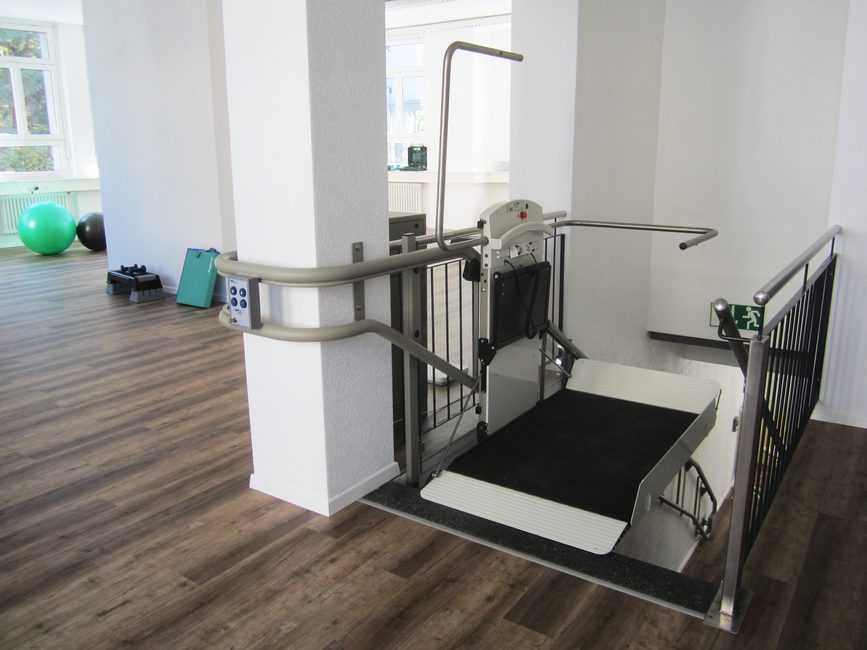
Ask the venue specific questions about step-free entry, accessible toilets, seating, lighting and the route from the entrance to event areas. Check whether people can reach the venue by public transport or need clear drop-off information. Do not assume a building is accessible based on its description or appearance.
Walk through the space as an attendee would, from arrival to departure, and note any barriers or confusing signs. Think about room for mobility aids, quiet areas and a clear route between activities. Share any limits honestly in event information so visitors can decide what arrangements they need.
Confirm which facilities are included and who will open, lock and manage the venue on the day. Ask about tables, chairs, power, cleaning and any restrictions on decorations or food. Recording these details in writing helps the team avoid last-minute misunderstandings and plan equipment realistically.
Build a realistic budget and check suppliers
List costs and funding
Build the budget from the event plan, listing each likely cost before committing to purchases. Include venue hire, equipment, materials, refreshments, printing and any waste arrangements, then separate confirmed costs from estimates. This gives organisers a clearer view of what must be covered and where the plan may need to change.
- Cost the event from its actual plan.
- Do not rely on unreceived income.
- Protect essential access and safety spending.
Identify the money available and who is authorised to approve spending. For a community group, agree how purchases will be recorded and retain receipts so the final account is transparent. If income depends on donations or ticket sales, avoid treating expected money as guaranteed until it has been received.
Set aside a contingency for small unexpected needs, such as replacement materials or extra signage, without spending it in advance. Compare the cost of each activity with its contribution to the event’s purpose. If the total is too high, simplify the programme or seek in-kind support before cutting safety or access essentials.
- Record estimates separately from confirmed costs.
- Agree who can approve purchases.
- Keep receipts and track income.
| Choice | Useful when | Check before committing |
|---|---|---|
| Buy materials | Items are needed for the planned activities | Quantity, storage and receipts |
| Borrow equipment | A local group can lend suitable items | Collection, return and condition |
| Request in-kind support | A supplier can contribute a service or goods | Scope, timing and any conditions |
| Simplify the programme | Costs exceed available funds | Keep access and safety essentials |
Confirm supplier arrangements
Check what each supplier will provide, when they will arrive and what they need from the organisers. Confirm delivery or collection arrangements, equipment requirements, payment terms and a contact for changes. Written confirmation reduces the risk of volunteers expecting different things from the same booking.
Compare suppliers on suitability and reliability as well as cost. Ask whether the service fits the venue, schedule and audience, and check what happens if equipment fails or a delivery is delayed. Keep a record of the agreed scope so the team can identify missing items before event day.
Avoid making a supplier responsible for decisions the organising team has not settled, such as access routes or timings. Assign one volunteer to manage each key supplier and share the overall running plan. This gives suppliers a clear point of contact and helps prevent conflicting instructions.
Requirements depend on the location and activity, so do not assume a previous event’s arrangements will apply.
Handle permissions, safety and insurance
Check permissions early
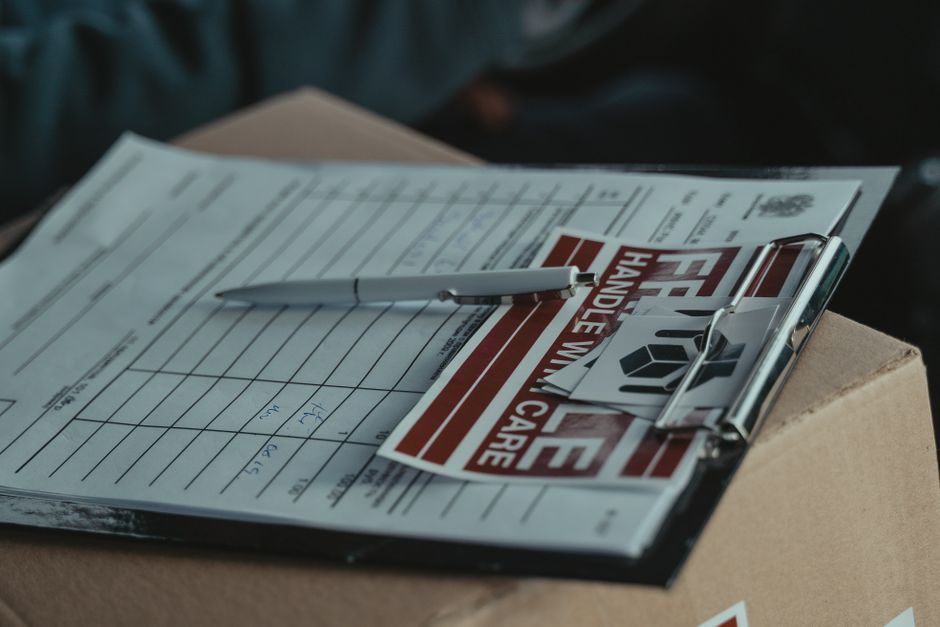
Ask the venue and relevant local authority what approvals are needed for your specific event, especially if you plan to use public space, play amplified sound or serve food. Requirements depend on the location and activity, so do not assume a previous event’s arrangements will apply. Make enquiries early enough to adjust the plan.
Describe the proposed activities, attendance arrangements and equipment accurately when asking about permissions. Keep written records of advice, applications and any conditions so the whole organising team can work from the same information. If the plan changes, check whether that affects an approval rather than relying on an earlier answer.
For events involving food, performances, fundraising or temporary structures, ask the responsible venue or authority what rules apply. Give each task an owner and deadline, then confirm completion before advertising details as final. This prevents an important requirement from being left to whoever happens to be available on the day.
- Check requirements for the specific location and activities.
- Keep approval records and conditions together.
- Recheck requirements when plans change.
Prepare for foreseeable risks
Walk through the event plan and identify what could cause harm, from trailing cables to a crowded entrance or sudden bad weather. For each risk, decide how to reduce it and who will act if it occurs. A short written risk assessment helps volunteers understand the precautions rather than relying on memory.
Agree how volunteers will communicate during the event and who will make decisions if the plan needs to change. Keep emergency exits and routes clear, and make sure relevant contacts and first-aid arrangements are known to the team. Brief volunteers before doors open so they can direct attendees consistently.
Check with the venue and insurer what cover is required and whether the planned activities are included. Public liability cover may be relevant, but requirements vary with the event and arrangements, so confirm rather than assume. Keep policy details and any conditions accessible to the person coordinating the event.
Plan activities, volunteers and equipment
Shape a simple running order
Build a running order that gives each activity a clear start, finish and changeover, rather than filling every minute. A neighbourhood event might alternate short performances with time to browse stalls or talk. In Milton Keynes, allow for people arriving from different districts, and keep the plan flexible enough to absorb late starts without dropping essential information.
- ☐ Set a start and finish time for every activity.
- ☐ Allow changeover time between programme items.
- ☐ Assign an activity lead for each area.
- ☐ Prepare a quieter alternative for visitors.
Match activities to the people you expect, the space available and the time of day. A children’s craft table needs shade or indoor cover, suitable materials and an adult nearby; a local music performance needs a clear listening area and time to sound-check. Keep quieter options available so visitors can take part without joining a crowd.
Write down who introduces activities, where performers wait and how people will hear changes to the programme. Share the running order with activity leads before the event, then print a working copy for the day team. A short briefing can confirm timings and responsibilities, while a named coordinator handles changes instead of sending conflicting messages.
Give volunteers clear roles
Assign each volunteer a defined task, a place to report and a contact person for questions. Depending on the event, roles may include welcoming visitors, guiding performers, restocking materials or keeping an eye on a particular activity. Avoid relying on a vague instruction to “help out”; it leaves people unsure when several jobs need attention.
Arrange a briefing before visitors arrive, with a simple map and the running order. Explain how volunteers can reach the event lead, where breaks can happen and what to do if a visitor needs assistance. If people are working in separate parts of a site, agree a reliable way to pass on updates rather than assuming everyone can hear announcements.
Check equipment against the programme and assign someone to bring, set up and return each item. Tables, signs, extension leads, activity materials and basic cleaning supplies are easy to overlook when they belong to different people. Mark borrowed items clearly, test equipment before opening, and keep essential supplies together where the team can find them quickly.
- Name a lead for each activity area.
- Share the site map and running order.
- Test sound and other equipment before opening.
- Keep spare materials in one known place.
Promote the event through local channels

Reach residents where they look
Choose publicity channels that match the people you hope will attend, and give every notice the same essential information. Local community groups, district networks, libraries, schools or noticeboards may help an event reach residents who do not follow the organiser online. Ask channel administrators about their posting rules before sending material, and avoid assuming that one social media post will reach everyone.
- Confirm the event details before drafting notices.
- Choose channels used by your intended audience.
- Add access and booking information prominently.
- Update every notice if arrangements change.
Make the event details easy to scan: say what it is, who it is for, when and where it takes place, whether booking is needed, and how to ask about access. If a supplier quotes a cost in dollars, checking dolar kaç Türk lirası may help you understand its Turkish-lira equivalent while reviewing the quote.
Use a clear image and readable wording, but do not let design crowd out practical details. Include a contact route that will be checked, and update the notice if the time, location or booking arrangements change. If the event is free or open to drop-ins, state that plainly; ambiguity can discourage people who need to plan their journey or attendance.
Keep messages clear and consistent
Prepare one approved description that volunteers and partner groups can reuse, then check that copied posts retain the correct details. Inconsistent start times or venue descriptions can send visitors to the wrong place. Give the event a recognisable name, but explain it in ordinary language so residents can decide quickly whether it suits them.
Plan reminders around useful decisions rather than posting the same message repeatedly. A first announcement can help people reserve the date; a later reminder can clarify transport, what to bring, access arrangements or whether spaces remain. Avoid promising activities, facilities or weather arrangements until they are confirmed, and make any limits or booking requirements clear.
Monitor replies and direct questions to someone able to answer accurately. If a resident asks about step-free access, toilets or whether children need supervision, respond with confirmed information instead of guessing. Keep a record of frequently asked questions; it can reveal missing details in the publicity and help the on-site team prepare consistent answers.
- Use one checked description across channels.
- Make access and booking details easy to find.
- Schedule reminders around practical information.
- Answer questions only with confirmed details.
Prepare for common setbacks on the day
Make a workable backup plan
Decide in advance what will happen if rain, wind, equipment trouble or a late arrival disrupts the programme. Identify which activities can move under cover, which can be shortened and which should stop if conditions become unsafe. Tell activity leads who has authority to make a change, so decisions do not depend on finding the organiser at the last moment.
Check the site and equipment shortly before opening, including surfaces, signs, cables and any temporary shelter. Keep walkways clear and secure loose items where wind could move them. If the forecast or site conditions make an activity unsuitable, use the agreed alternative and tell visitors plainly where to go or what has changed.
Give the team a simple sequence for handling disruption: assess the problem, alert the event lead, protect people and equipment, then communicate the change. This prevents several volunteers from issuing different instructions. If an issue affects safety, pause the activity first and follow the event’s agreed safety arrangements rather than trying to preserve the schedule.
Keep communication calm and direct
Choose one person to coordinate updates between volunteers, activity leads and any suppliers. Give that person a current contact list and a way to reach the team across the site. When a plan changes, communicate the decision, the reason if useful, and the next step; vague messages such as “wait and see” leave visitors and volunteers uncertain.
Prepare short announcements for likely changes, such as a delayed start or a moved activity. A volunteer can direct visitors to the new location while another updates the event’s online notice, if appropriate. Make sure people who do not use a phone can still receive essential information through signs, face-to-face updates or the event’s agreed announcement method.
Keep a brief record of any incident, significant change or equipment problem, including who dealt with it and what action followed. This helps the organiser close the event safely and identify improvements for next time. Do not share personal details publicly; pass sensitive information only to the people responsible for handling the matter.
- Name one person to coordinate changes.
- Use clear, short updates for the team.
- Tell visitors where activities have moved.
- Record significant issues for follow-up.
Make the event welcoming and easy to enjoy

Remove barriers to participation
Make arrival straightforward by using clear signs from the entrance and explaining where the main activities are. Check that routes between activities remain unobstructed and that seating is available for people who need a rest. If the event has different areas, identify them with plain labels so visitors can find help, toilets or quieter space without having to ask repeatedly.
- Crowding the entrance; keep a clear arrival route.
- Using unclear signs; label key areas plainly.
- Assuming everyone wants help; offer, then respect their choice.
Think about different ways people may want to take part. Some visitors may prefer to watch rather than join an activity, while others may need instructions in a simple format or a little extra time. Tell volunteers to offer help without making assumptions, and to accept a person’s choice if they decline assistance.
Check practical details from a visitor’s point of view before opening: can someone identify the entrance, understand the programme and find a team member? Keep essential information visible and make sure volunteers know where to direct questions. A short walk-through with someone unfamiliar with the arrangements can reveal confusing signs or awkward routes that organisers have stopped noticing.
Support a comfortable visit
Provide places to pause and make the programme manageable for visitors who may not stay for the whole event. A clear start and finish, visible seating and a quieter spot can make attendance easier for families, older residents and people who find busy settings tiring. Explain any practical limits in advance so visitors can decide what works for them.
Welcome people without requiring them to know the organisers or local groups already. A greeter can explain what is happening, point out activities suitable for different ages and tell visitors how to ask for assistance. If photography is planned, explain the approach clearly and respect anyone who does not want to be photographed.
Finish by checking that visitors can leave safely and that the site is returned to its agreed condition. Volunteers should know who is responsible for clearing materials, collecting borrowed equipment and checking the area. Thank participants and helpers in person where possible, then invite brief feedback through a straightforward route that people can use after they get home.
- Keep seating and a quieter area easy to find.
- Offer a friendly welcome and practical directions.
- Explain photography arrangements clearly.
- Assign a team to clear and check the site.
Frequently asked questions
How far ahead should we start organising a community event?Start as soon as you have a purpose and a likely audience, because the venue, permissions, suppliers and volunteer availability may affect one another. There is no single lead time that suits every event. A small gathering with few activities may need less preparation than a larger public event, but both benefit from assigning responsibilities early and checking requirements before publicity begins.
How can we make an event suitable for families?Explain clearly which activities suit children and whether an adult must stay with them. Plan straightforward facilities such as seating, accessible routes and a place to take a break, and make the programme easy for families to understand. Do not assume every child has the same needs; invite questions before the event and give volunteers clear guidance on who handles concerns.
What should we do if an event activity has to be cancelled?Pause the activity if continuing could put anyone at risk, then tell the event lead and follow the agreed backup plan. Give visitors a clear update about what has changed and whether another activity or location is available. If the change affects online information or signs, update those too, and record the reason so organisers can improve future planning.
How can organisers collect useful feedback afterwards?Ask a few focused questions about what worked, what was difficult to access and what visitors would change next time. Offer a simple way to respond, such as speaking to an organiser or using a short feedback form, and avoid collecting personal details you do not need. Review comments with volunteers while the event is still fresh, then record practical actions for future planning.
Turn the plan into a confident event day
A well-run community event depends on clear responsibilities as much as a good programme. Give volunteers specific roles, share reliable information with residents and prepare a simple response for weather or equipment problems. On the day, small practical choices—visible signs, clear routes, a welcoming greeting and space to rest—can help more people take part comfortably.
For your next step, bring the organising team together to confirm the running order, name the person responsible for each task and check what still needs approval or preparation. Walk through the visitor experience, from arrival to departure, and fix any unclear detail before promoting the event widely. That final check turns a promising idea into a plan the whole team can use.
Add Milton Keynes 24 as a preferred source on Google


